Q: First, tell us something about yourself.
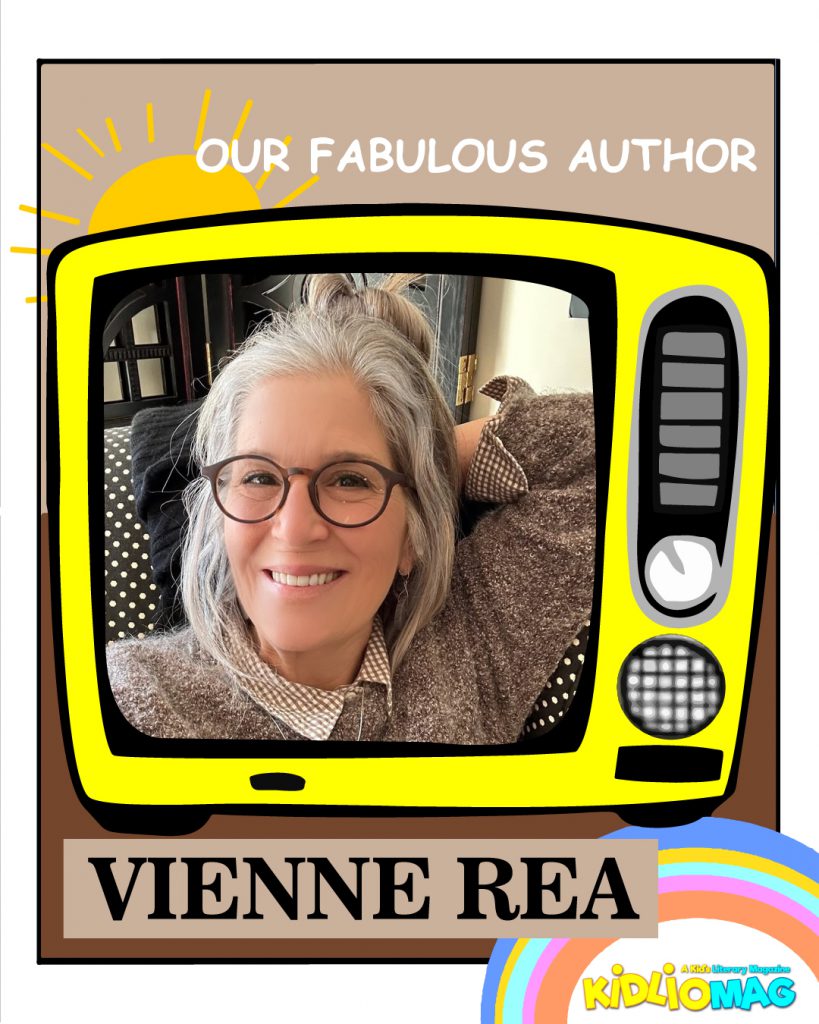
All of my work centers around building connections with viewers and readers through subjects that build emotional intelligence and awareness. I think a lot of that comes from the way I’ve always experienced the world. I’ve always been a very sensitive and perceptive person—not sensitive simply in the sense of being easily affected, but in the sense that I notice things. I notice subtleties in people, in conversations, in what is said and what isn’t said. I can walk away from a seemingly ordinary interaction and find myself thinking about something small that happened in it, wondering what was underneath it or what that person might have been feeling.
That sensitivity has probably shaped me more than I realized for much of my life. It’s made me deeply curious about people and about the things we all experience internally but don’t necessarily talk about. I’m interested in why we hold onto certain experiences, why we judge ourselves and one another, why some things stay with us for years, and what allows us to see them differently. Those questions naturally find their way into my work.
I also genuinely value openness and sincerity. I’m much more interested in conversations where people can put aside the polished version of themselves and say what they actually think or feel. I suppose that’s what I hope to do in my work as well—to create that kind of connection with someone I may never meet, but who might recognize something of themselves in what I’ve created.
Q: How and when did your journey start as a writer?
I think, in many ways, I’ve always been a writer. More than that, I’ve always been a storyteller. I see the world in stories. Whether I’m holding a camera or a paintbrush, creating a sculpture, designing a piece of jewelry, or putting words on a page, I’m really doing the same thing: I’m trying to communicate an experience, an emotion, or something meaningful about being human.
Much of my sculpture, for example, is autobiographical or biographical. So, although I’m working with physical materials instead of words, I’m still telling a story. My jewelry can tell stories, too. Often, my work begins with an emotion I’ve experienced or something I’ve gone through that I’m trying to understand or process. Creating something from that experience can be healing for me, but my hope is that someone else might recognize something of their own experience in it as well.
Writing is really another extension of that same creative impulse. I’ve written poetry since my twenties, although I wasn’t publishing it or necessarily thinking of myself as a writer in the traditional sense. It was simply something I did because I needed that form of expression.
So, becoming a writer now doesn’t really feel like I’ve suddenly become something different. It feels much more like a natural progression of who I’ve always been. I’ve been telling stories my entire creative life. The difference now is that instead of keeping the writing mostly to myself or expressing those stories through other mediums, I’m ready to put the words on the page and share them with other people.
Q: Tell us something more about your book series.
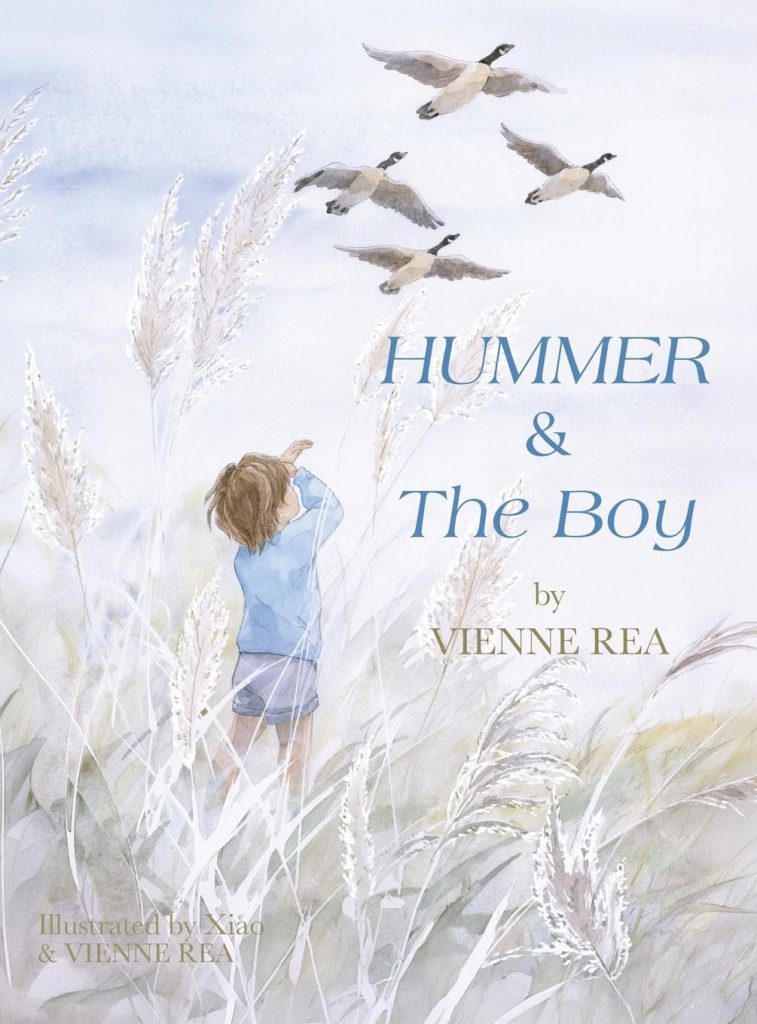
Hummer & The Boy is a standalone, although I did write a special epilogue that continues the story beyond the book and offers readers a little more after the final page. It’s available to readers who join my newsletter.
My next project is quite different. It’s an historical fiction series spanning eight generations of women through American history. It begins with Annabelle, a young woman who grew up an orphan in Baltimore and, newly married, sets out with her husband on the Oregon Trail. Her early experiences have shaped her, particularly her sense of family and belonging, but her journey west is only the beginning. Annabelle’s story launches a much larger one, with each generation taking us into another period of American history.
Q: How did you create the magical system in your books and characters?
If I were to interpret your phrase ‘magical system’ as the heart and soul I create in my books and characters, then I’d say my intention is always to connect with people. I do that by creating emotionally aware themes that speak to our shared human experience.
Q: Do you want to leave any message for your readers?
I would have to say it’d be a message about freedom from guilt. That is really at the heart of what I hope readers take away from this book.
Guilt is so prevalent in our lives, and it can begin when we’re very young. It can come from something seemingly small—a child accidentally breaking something that belongs to a parent and immediately feeling that they’ve done something terribly wrong. Or it can come from an emotional moment, like a child becoming angry and saying, “I hate you, Mommy,” and then feeling guilty afterward. One is a physical rupture, and the other is an emotional rupture, but either way, those experiences can stay with us.
And as we grow, we accumulate more and more of them. There are so many opportunities throughout a lifetime to feel that we’ve disappointed someone, hurt someone, made the wrong choice, or failed in some way. By the time we become adults, I think most of us have a history with guilt—a long list of experiences, judgments, and regrets that we may not even realize we’re still holding onto. The more we can release ourselves from that guilt, the freer we become. And that, to me, is one of the core messages of this book. When we release guilt, we become freer to love and freer to accept that we are loved. We also become more capable of extending that same compassion to other people.
I think there’s a ripple effect to that. When we stop burdening ourselves with guilt, we become less likely to blame, shame, or burden other people with it. We can teach one another, by example, that it’s possible to acknowledge our mistakes and take responsibility for them without carrying guilt forever.
Ultimately, I think releasing guilt gives us the freedom to live with more love, compassion, and joy. If there is one message I would want readers to take from this book and keep with them, it is that we can let go of guilt—both the guilt we bear ourselves and the guilt we assign to others—forgive ourselves and one another, and become more open to loving and being loved.